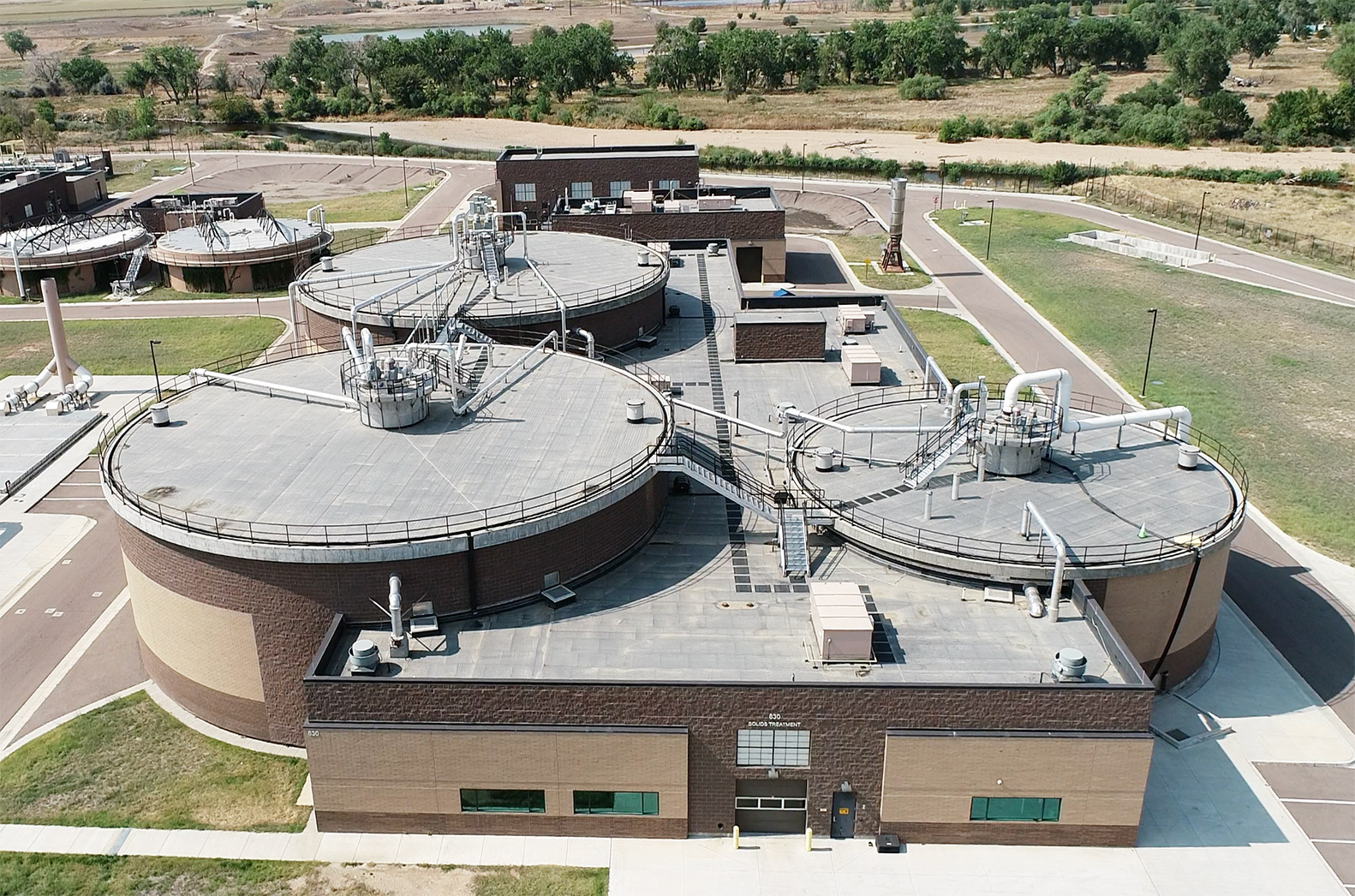
Anaerobic Digestion
Anaerobic Digestion provides required solids stabilization to support the use of biosolids and produces renewable methane.
Anaerobic (meaning the absence of free oxygen) digestion is a solids stabilization process in which biodegradable organic matter is biologically transformed. This process uses a combination of time and temperature to reduce disease-causing microorganisms and subsequent vector attraction while also generating renewable methane.
Thickened primary sludge (TPS) and concentrated waste activated sludge (CONWAS) have a high volatile fraction and contain microorganisms that can cause disease. Treatment is therefore needed to produce a safe fertilizer product with minimal odors while not attracting insects and other pests. The objectives of stabilization are to reduce pathogens, eliminate offensive odors, and inhibit, reduce, or eliminate the potential for putrefaction (decay or rotting).
An additional benefit of anaerobic digestion, compared to other forms of solids stabilization, is the energy recovery potential. Anaerobic digestion generates a biogas comprised primarily of methane and carbon dioxide that may be recovered for beneficial use such as heat or power generation, or with further treatment turned into a renewable natural gas.

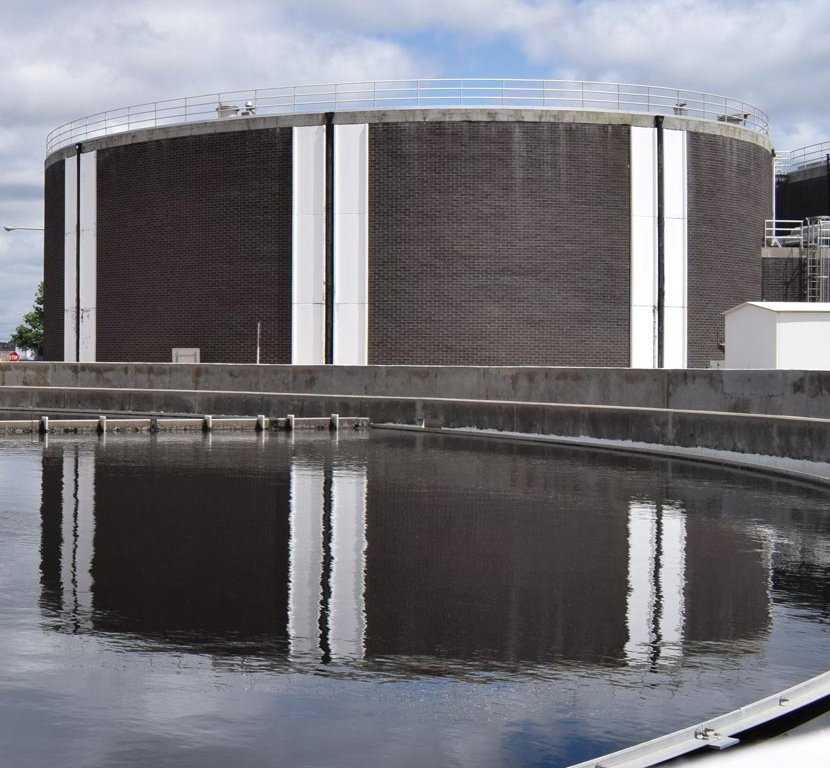
The RWHTF facility utilizes a two-phase anaerobic digestion process.
- The undigested, or raw sludge, from holding tanks goes to a single digester called the acid-phase digester, which is used as the hydrolysis, or initial breakdown, phase of the digestion process. The detention time in this digester is typically one to one and a half days
- In the second stage, commonly referred to as the mesophilic phase or gas phase, a minimum of 15 days solids retention time (SRT) is required to meet the objectives of the anaerobic digestion treatment process.
Northern Treatment Plant
The NTP also uses anaerobic digestion to stabilize its solids, but only uses a single-phase anaerobic digester, skipping the acid phase digestion step.